


Social media rarely stalls because a small business has nothing worth saying. It stalls because the person running the account is also running the business. Content ideas get pushed to the end of the day, a week slips by, and then there is pressure to post something, anything, just to look active again. The fix is not more creativity. It is a shorter, clearer list of ideas that fits the hours you actually have.
That is what this list is built around: practical content ideas for 2026 that a small team can produce without a production budget, a studio, or a full-time content manager.
What Is Actually Driving Social Media in 2026
Two formats are shaping how audiences find and follow businesses this year. Video content and creator partnerships dominate the 2026 conversation, and both reward businesses that are willing to appear on camera or work with someone who already has an audience.
Live formats are part of the same shift. Hosting Q&A sessions, running product demonstrations, and scheduling webinars give people a reason to stop scrolling and stay for a few minutes. What tends to matter now is showing up often, posting to stories, creating content that feels real, and using collaboration posts to reach beyond the followers you already have.
The Three Non-Negotiables Before You Post Anything
A content strategy built for a small team needs clarity, focus, and consistency. Everything else is decoration.
- Clarity: know who the post is for and what you want them to do next.
- Focus: choose a short list of themes and repeat them instead of changing direction every week.
- Consistency: show up on a schedule you can keep during your busiest month, not just your quietest one.
One more discipline matters. Stop copying big-brand playbooks. Large brands have teams, agencies, and budgets a small business cannot match, and imitating them usually produces content that looks polished but says nothing about your actual customers.
Choose Your Platforms Before You Choose Your Ideas
Facebook, Instagram, LinkedIn, Twitter/X, YouTube, and TikTok are widely treated as the best platforms for small business marketing in 2026. Each one serves a different purpose, and choosing the wrong mix wastes time you do not have. Pick two or three where your customers already spend time and let the rest go for now. Before committing a large share of your week to one channel, check that platform’s own current resources for feature changes and audience behavior.
Content Ideas That Fit a Small Team
Show What You Sell
Customers want to see the thing before they buy it, and most small businesses already have the raw material sitting in front of them every day. The goal is not a polished commercial. It is a clear look at how your product or service actually works.
- Product demonstrations that walk through one item or service at a time.
- Live demonstrations where viewers can ask questions in the moment.
- Short video walkthroughs of a process, a service call, or a routine behind the counter.
- Webinars that go deeper on one problem your customers keep raising.
- Photo sets that show the work in progress, not only the finished result.
Let Customers Do the Talking
Trust is the hardest thing to manufacture and the easiest thing to borrow. When a real customer explains what changed after working with you, that carries more weight than anything you could write about yourself.
- Testimonial posts that quote a customer in their own words.
- Review screenshots, shared with permission, that show the feedback in context.
- Customer spotlights that explain the problem you solved, not just the product you sold.
- Collaboration posts with a customer or partner account so the content reaches both audiences.
Go Live and Answer Questions
Live content solves two problems at once. It gives your audience a reason to show up at a specific time, and it produces material you can reuse for weeks. Start with the questions you already answer on the phone every day.
- Q&A sessions on a recurring day so people learn when to return.
- Live videos that answer your most common customer questions.
- Webinars that teach one useful thing and end with a clear next step.
- Story posts that collect questions in advance, then answer them on camera.
Reach Beyond Your Current Followers
Your existing audience can only grow your account so far. Borrowed audiences, through partners and creators, are the fastest route to people who have never heard of you.
- Creator partnerships with someone your customers already trust.
- Collaboration posts with another local business serving a similar audience.
- Story takeovers where a partner shares a day from their side.
- Inspirational quote graphics, used sparingly and matched to your brand voice.
- Evergreen tip posts that stay useful months after you publish them.
A Quick Map of Idea to Format
If you are deciding where to start, match the idea to the format that suits it best and gives you the least production friction.
| Content idea | Format | What it does for you |
|---|---|---|
| Q&A session | Live video | Answers common questions in public |
| Product demonstration | Short video | Shows how the product or service works |
| Webinar | Longer live session | Builds credibility on one topic |
| Testimonial | Static post or video | Builds trust with new buyers |
| Creator partnership | Collaborative post | Reaches a new audience |
| Collaboration post | Shared post | Pools reach with a partner |
| Story series | Vertical photo or video | Keeps you visible between main posts |
| Explainer tip | Short video or image set | Answers a repeated customer question |
One Session, Several Posts
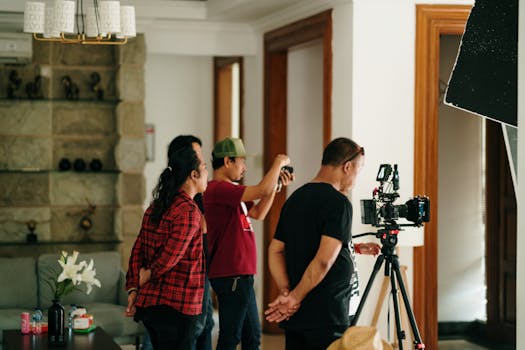
Live content is efficient because it produces raw material. A single live session can be cut into short clips, quoted into text posts, answered in stories, and reused as a reply you send to customers who ask the same question by email. Nothing extra needs to be filmed. This is how a small team keeps a full calendar without doubling its workload.
A Rhythm You Can Keep
Decide how many posts per week you can genuinely produce, then plan themes in advance so you are never starting from a blank page. Stories are the easiest place to stay visible between larger posts, and they do not demand the same polish as a feed post. Batch your work during quiet hours. If a week goes sideways, keep the smallest piece running rather than disappearing entirely.
How to Tell Which Ideas Are Working
Engagement is the first signal, but it is not the only one. The measures that matter are whether your audience grows, whether people respond, and whether any of it turns into customers. Look back over the last month of posts and note the two or three that produced questions, calls, or messages. Those themes deserve more of your calendar. The rest can be retired.
Strategy guidance for 2026 keeps pointing at the same trio: building followers, fans, and new customers together. A post that collects likes but never starts a conversation is not pulling its weight.

Mistakes That Waste a Small Team’s Time
- Copying big-brand playbooks instead of speaking to your own customers.
- Spreading thin across platforms where your buyers are not active.
- Posting without a clear point, then wondering why nobody responds.
- Going quiet for weeks and returning with a hard sell.
- Chasing every trend instead of the questions customers already ask.
When It Makes Sense to Get Help
Some weeks you can produce content yourself, and some weeks the calendar wins. Keekee360 Design is a Huntsville, Alabama creative studio that works with small businesses and startups on branding, graphic design, web design, social media management, and SEO. If your ideas are clear but your time is not, handing off production while keeping your voice intact is a practical middle ground. Talk through what you need before committing to a plan.
Frequently Asked Questions
What is the best content for a small business in 2026?
Video content and creator partnerships are the two formats shaping 2026. Live Q&A sessions, product demonstrations, and webinars are part of that shift because they give people a reason to spend time with your business instead of scrolling past. Add testimonials and customer stories for trust, and keep a few evergreen tip posts in rotation.
How often should a small business post?
No single number fits every business, and copying a large brand’s schedule usually leads to burnout. What matters more is clarity, focus, and consistency. Choose a pace you can hold during your busiest month, plan themes ahead of time, and use stories between larger posts so your account does not go silent for long stretches.
Which platforms should a small business prioritize?
Facebook, Instagram, LinkedIn, Twitter/X, YouTube, and TikTok are all named among the strongest platforms for small business marketing in 2026, and each serves a different purpose. Rather than joining all six, start with the two or three where your customers already spend time, post there consistently, and expand only when results justify the extra work.
Do I need to be on camera?
Video is a major driver this year, but that does not mean every post has to feature your face. Product demonstrations, process clips, and customer testimonials all work without a host. If appearing on camera is not realistic right now, start with screen recordings or short clips of your work and let the format grow from there.
How do I come up with ideas when I am busy?
Collect them as they happen. Every question a customer asks on the phone, every objection you answer twice, and every review you receive is a post waiting to be written. Set aside one short planning block each month to turn that running list into a schedule, then lean on live sessions to generate clips and quotes you can reuse later.
