


Search looks different in 2026. Google still matters, but your business can also appear in AI-generated answers, local map results, voice search responses, short-form videos, and social feeds before a customer ever clicks through to your website.
That shift can feel overwhelming when you are already juggling operations, customers, and payroll. It also creates an opening. Larger brands often chase complex campaigns, while smaller companies can win with clarity. A clear service page, an accurate local profile, and content that answers real customer questions go a long way.
Organic search remains one of the most dependable channels for growth. Almost half of all website traffic comes from organic searches, so search engines and AI summaries are still some of the main ways potential customers find services. SEO for small businesses in 2026 is not dead. It just got harder, and the businesses that adapt will keep showing up.
Why SEO Still Matters for Small Businesses in 2026
SEO has always rewarded businesses that match what people are searching for. In 2026, that match happens across new surfaces. AI Overviews now appear in about 26 percent of US queries and can reduce click-through rates by 15 to 46 percent depending on the query type. Fewer clicks sounds concerning, but only for businesses that do not earn a mention inside those AI answers.
SEO will help small businesses most in 2026 by building local trust and clarity, not by chasing big generic keywords. People rarely type one broad word and buy. They search for a service, a problem, or a neighborhood. When your pages and profiles show up with the right details, your business becomes the obvious choice.
AEO and GEO: Optimizing for AI-Driven Search
Search engines are no longer the only place customers find answers. AI-driven experiences now summarize information and present one response instead of a list of links. To remain visible, businesses need AEO and GEO strategies. AEO, short for Answer Engine Optimization, helps your content become the direct answer. GEO, short for Generative Engine Optimization, helps AI tools understand and cite your business as a source.
In 2026, businesses must optimize not only for Google Search but also for AI-driven search experiences. Structure pages with clear headings, concise explanations, and useful context. The same clarity that helps a person scan your page helps an AI engine decide that your business is worth quoting. Write for the customer first, but keep the structure simple enough for a machine to follow.
The Local SEO Advantage
Local SEO for small businesses is about connecting with nearby customers at the moment they are ready to act. Practical 2026 guides place local SEO at the center of a small business strategy. The core building blocks are your Google Business Profile, customer reviews, and consistent citations across directories. These signals tell search engines who you are, where you operate, and how the community views your business.
Voice search makes local optimization more valuable. When someone asks a phone for the closest service provider, the answer usually comes from local results. Optimizing for voice search means using natural language, keeping business details consistent, and answering common questions in clear words. The essential strategies for small businesses in 2026 include voice search, local SEO, mobile SEO, and practical uses of AI tools.
On-Page SEO: Structure That Earns Clicks
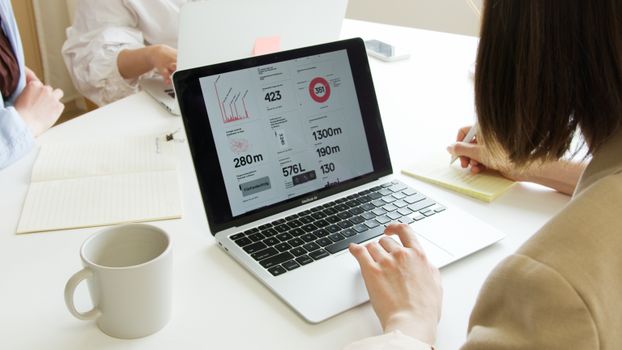
On-page SEO remains one of the most controllable pieces of a small business strategy. Best practices start with placing your main keyword in the page title, URL, and meta description. Include a location when that reflects your service area. Each page should answer one clear question so both people and search engines understand its purpose without guessing.
Clear service pages matter more than clever homepage copy. A service page should state what you do, who it is for, and how someone can take the next step. Avoid targeting one massive keyword with a thin page. Small businesses win by owning specific, relevant terms that match local searches. A simple page that converts is more valuable than a broad page that attracts the wrong audience.
Technical SEO: Core Web Vitals, Schema, and Indexing
Even strong content will not perform if search engines cannot read it quickly and accurately. Technical basics for 2026 include Core Web Vitals, schema, and indexing. Core Web Vitals measure page loading speed and visual stability, which directly affect experience on mobile devices. Mobile SEO is not optional when most local searches happen on a phone.
Schema is structured code that helps search engines understand content, such as business hours, service areas, and customer ratings. Indexing ensures your important pages are discoverable. Practical 2026 guides advise small businesses to treat these technical items as prerequisites. Fix them once, verify them, and then direct energy toward content, local trust, and links.
Content That Works for Humans and AI Engines
Content strategy has shifted from publishing often to publishing with purpose. The 2026 guides highlight content clusters. A cluster starts with a core service page and supports it with related articles that answer specific questions. This structure helps search engines recognize your expertise while giving customers the depth they want before making a decision.
The most valuable content in 2026 is content that real humans and AI engines can cite. Write with facts, quote credible sources, and avoid vague filler. Answer the question early in the page, then provide supporting context. If an AI engine pulls a sentence from your site, it should be a sentence that makes your business look like the reliable local option.
Link Building and Trust Signals
Links still matter, but the goal is trust rather than volume. A small business earns authority when other local organizations, suppliers, or community pages link to its site. The 2026 roadmap pairs link building with citations, keeping your business name, address, and phone number consistent everywhere your brand appears.
Reviews feed the same trust loop. A steady flow of recent reviews strengthens your Google Business Profile and gives new customers social proof before they call. Ask happy customers for feedback at the right moment, respond to reviews, and keep your profile current. These everyday actions build a local reputation that competitors cannot easily copy.
Measuring Progress and Starting a 90-Day Roadmap
SEO does not offer a single finish line. It delivers compounding visibility that shows up in rankings, calls, and website visits. The practical guides for 2026 agree on a framework: technical basics, content clusters, local SEO, link building, and measurement. Begin the first 90 days by auditing technical health, clarifying key service pages, and cleaning up local listings.
After the first quarter, shift to publishing content clusters that answer customer questions, then layer in link building and review generation. Measure what changes each month so you know which activities deserve more time. Consistent review of search performance turns SEO from a guess into a repeatable process that fits the pace of a growing business.
What Small Businesses Should Expect From an SEO Investment
SEO is an investment in visibility over time. Most small businesses need a timeline measured in months before organic pages build enough trust to rank consistently. Some 2026 guides reference a typical range of $1.5K to $5K per month for professional small business SEO services. That range usually includes strategy, technical work, content, and reporting, although every provider structures its services differently.
Ask any SEO partner exactly what is included each month and how progress will be reported. The best engagements in 2026 combine technical fundamentals, local visibility, and content that earns trust. SEO should feel like a partnership that guides your business, not a mystery that keeps you guessing.
Frequently Asked Questions
Is SEO still worth it for small businesses in 2026?
Yes, SEO is still worth it for small businesses in 2026. Almost half of all website traffic comes from organic searches, so search engines and AI summaries remain some of the main ways customers find services. SEO strategies take time, so treat organic visibility as a long-term channel. For a local business, steady rankings, reviews, and clear service pages produce calls and visits from people already searching for what you offer.
Is SEO dead now that AI answers questions?
No, SEO is not dead in 2026. It just got harder. AI Overviews appear in around 26 percent of US queries and cut click-through rates by 15 to 46 percent depending on the type of query. Businesses now need AEO and GEO strategies so Google and AI-driven search experiences can read, trust, and cite their content. Ranking on Google is only part of the job.
What are the main SEO trends for small businesses in 2026?
The most important trends in 2026 include local SEO, voice search optimization, AI-driven search readiness, and mobile SEO. Practical guides also point to content clusters, clear service pages, link building, and Google Business Profile management with reviews and citations. The common thread is trust. Small businesses win by being clear, consistent, and easy for both search engines and AI tools to understand and recommend.
How long does SEO take to work for a small business?
SEO takes time, and small business owners should plan for a timeline measured in months. Most practical 2026 guides recommend a 90-day roadmap covering technical basics, content clusters, local SEO, link building, and measurement. Early improvements include faster pages, clearer service pages, and a stronger local profile. Rankings and authority build steadily after those foundations are in place, so consistent effort matters more than any single quick fix.
