


Many small business owners believe that a logo and a set of business cards equal a brand. That belief leads to confusion when customers cannot clearly describe what makes the business different from its competitors. In 2026, branding requires a deliberate strategy that goes far beyond visual design. A strong brand helps a small business build credibility, stand out in crowded markets, and create lasting relationships with customers.
This article outlines a practical branding strategy for small businesses in 2026. The steps draw from current industry thinking and focus on actions that produce real results.
Start With a Solid Strategy Foundation
Every strong brand begins with a clear understanding of who you are trying to reach and why they should choose you. The first step is to define your target audience in detail. This means going beyond basic demographics and learning about your customers’ goals, challenges, and preferences. When you know exactly who you are speaking to, every branding decision becomes easier.
Next, research at least five competitors. Look at how they present themselves, what messages they use, and where they fall short. Competitor research helps you identify gaps in the market and opportunities to position your business uniquely. Once you have that information, write a positioning statement. This statement should clearly communicate what your business does, who it serves, and what makes it different. It becomes the foundation for all of your branding and marketing efforts.
Build a Clear Brand Identity
After you have a strategy foundation, the next step is to shape your brand identity. This includes both the internal purpose and the external visual representation of your business.
Define Your Brand Purpose and Personality
Start by defining your brand purpose. Why does your business exist beyond making money? A clear purpose gives customers a reason to connect with you on a deeper level. Then choose a brand personality. Is your brand friendly and approachable, or authoritative and professional? The personality you choose should align with your target audience and your business values. This personality will guide your tone of voice and how you interact with customers across every channel.
Create a Clean, Modern Visual Identity
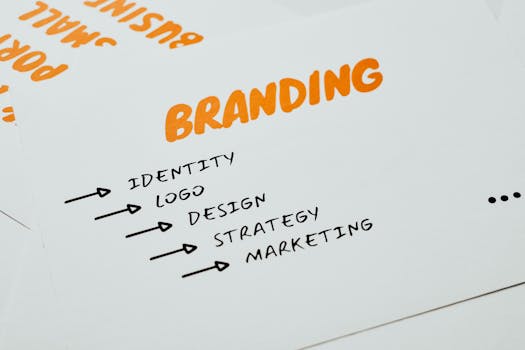
Your visual identity is the most recognizable part of your brand. For 2026, build a complete logo suite that includes variations for different uses, such as a full logo, a simplified icon, and a horizontal version. Alongside the logo, choose a color palette and typography system that reflect your brand personality. These elements should be consistent across all materials, from your website to your social media profiles to your printed brochures.
Maintain Consistency Across Every Channel
In 2026 brands exist everywhere. They appear on websites, social media feeds, email newsletters, printed materials, and even in AI summaries and simulated environments. A brand that looks different on Instagram than on Facebook, or uses a different tone in email versus text messages, creates confusion. Consistency is the key to building recognition and trust.
Make your brand voice clear and keep it the same everywhere you communicate. If your brand personality is friendly and casual, write all your copy in that voice. If it is professional and direct, stay consistent. The same applies to colors, fonts, and logo usage. When customers see the same look and feel repeatedly, they begin to associate those visual cues with your business.
One common mistake small businesses make is treating branding as a one time project. Consistency requires ongoing attention. Review your materials regularly to make sure they still align with your brand guidelines.
Invest in Visibility Alongside SEO
Visibility and SEO work together to help your brand get noticed. In 2026, the tactical shift is to invest in visibility along with SEO. This means publishing content consistently, updating your website and blog often, and showing up in industry conversations. When people search for your products or services, they should find your brand not only through search engine results but also through social media posts, guest articles, and community engagement.
A strong brand strategy includes a plan for which digital channels you will use. Choose the channels where your target audience spends the most time, and commit to being active there. Regularly share helpful content, respond to comments, and participate in relevant discussions. Over time, this consistent presence builds authority and makes your brand more memorable.
Embrace 2026 Branding Trends
Several trends are shaping branding strategy for small businesses in 2026. Integrating adaptive logos that can adjust to different platforms and contexts is becoming more common. These logos might change size, orientation, or even color depending on where they appear, while still remaining recognizable.
Personalized customer experiences are also a major trend. AI driven personalization tools allow small businesses to tailor their messaging and offers to individual customers. This makes people feel like the brand understands them, which strengthens loyalty. Immersive brand experiences, such as interactive content or augmented reality previews, are gaining traction as well.
For small businesses, adopting a new trend does not mean doing everything at once. Pick one or two trends that align with your audience and your resources. Experiment, measure results, and adjust as you learn what works.

Frequently Asked Questions
How is a branding strategy different from a logo?
A logo is one piece of your visual identity. A branding strategy is the complete plan that defines your target audience, your brand purpose, your positioning, your voice, and how you communicate across every channel. Without a strategy, a logo alone does not create a consistent or memorable brand.
How many competitors should I research before building my brand?
Research at least five competitors. This gives you enough insight to spot common patterns in your industry, identify gaps you can fill, and understand how to differentiate your own brand. Going beyond five can be helpful, but five is a strong starting point.
How often should I update my brand identity?
There is no fixed rule, but a brand identity should be refreshed when your business evolves significantly or when your visual materials start to look dated. Many small businesses update their brand identity every three to five years. Between updates, maintain consistency and make small improvements as needed.
What is the most important step in building a brand for a small business?
Defining your target audience in detail is the most important step. Every other decision flows from understanding who you are trying to reach. When you know your audience well, you can choose the right brand personality, voice, visual style, and channels to connect with them effectively.
Building a branding strategy for small businesses in 2026 does not require a large budget. It requires thoughtful planning, a willingness to be consistent, and a focus on creating meaningful connections with your customers. Start with your audience, define your purpose, and commit to showing up with a unified look and voice everywhere your brand appears.
